
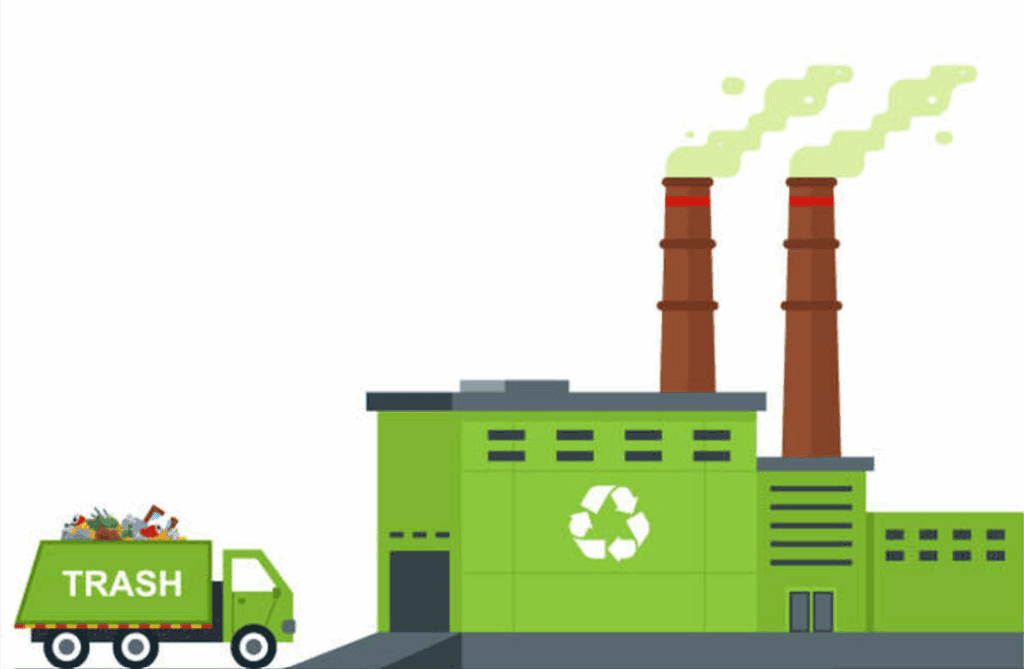
Millions of families roll their trash cans to the curb each week, wave good-bye to the garbage truck, and never think about what comes next. However, that’s just the start of an intriguing, intricate process that turns garbage into something new, stops pollution, and maintains a whole recycling and recovery ecosystem.
Understanding this hidden journey enables us to see the importance of trash sorting, recycling, and proper disposal in the modern world, where sustainability has become a top issue. Let’s track the path of your trash and see how businesses like Escrappy Recyclers are reinventing responsible waste management.
Step 1: The Collection Phase — Where It All Begins
Collecting your trash is the first step in the process. The majority of families experience this once or twice a week when the bins are picked up by private waste management companies or municipal employees.
You may have distinct containers for residual garbage, recyclables (plastic, paper, glass, and metal), and biodegradable waste, depending on where you live. The effectiveness of the waste’s subsequent processing depends on this segregation at the source.
At this stage, businesses like Escrappy Recyclers stress the value of community education. They offer courses on proper garbage sorting as well as simple labeling methods for homes and businesses. Ensuring that what goes in the recycling bin is actually recyclable and that what goes in the organic trash may properly decay is the straightforward but effective goal.
Step 2: Transportation and Initial Sorting
After collection, garbage trucks transport the waste to a transfer station or materials recovery facility (MRF). Here, the mixed waste is weighed, logged, and unloaded onto large sorting belts.
Manual and mechanical sorting begins:
- Manual sorting helps remove contaminants such as batteries, textiles, or hazardous materials that could damage machines or pollute recyclables.
- Mechanical sorting uses magnets, air classifiers, and optical scanners to separate metals, plastics, paper, and glass.
At Escrappy Recyclers’ facilities, advanced sorting systems powered by AI and machine vision detect and separate materials with remarkable precision. This not only improves recovery rates but also reduces the amount of recyclable material that ends up in landfills.
The sorted recyclables are then baled and prepared for shipment to recycling plants, while the remaining waste continues its journey toward processing or disposal.
Step 3: Recycling and Recovery
The recyclables — plastics, paper, glass, and metals — are sent to specialized recycling facilities. Here’s what typically happens:
- Paper and Cardboard: Clean paper products are pulped, de-inked, and transformed into new paper rolls or cardboard sheets.
- Plastics: Sorted by resin type, plastics are shredded, melted, and remolded into pellets. These pellets become the raw material for manufacturing everything from bottles to furniture.
- Glass: Clean glass is crushed into cullet and melted to create new glass products with minimal quality loss.
- Metals: Steel and aluminum are melted and reformed indefinitely without losing their properties — making them some of the most sustainable materials to recycle.
Escrappy Recyclers partners with certified recyclers that adhere to global environmental standards. They also innovate with upcycling projects, turning discarded materials into art pieces, decor, or reusable consumer goods — giving new life to what was once considered waste.
Step 4: Organics and Composting
Organic waste — food scraps, garden trimmings, and biodegradable items — takes a different path. Instead of being burned or buried, it’s processed into compost or biogas.
At Escrappy Recyclers’ organic processing unit, collected food waste undergoes composting in temperature-controlled pits or aerobic digesters. The process breaks down organic matter into nutrient-rich compost, perfect for agriculture and gardening.
This not only diverts massive amounts of waste from landfills but also returns valuable nutrients to the soil, supporting the circular economy. Some facilities even harness methane gas produced during decomposition to generate electricity — a clever blend of waste management and renewable energy.
Step 5: Disposal — The Final Destination
Even with advanced recycling and recovery systems, not all waste can be reused. Non-recyclable plastics, contaminated materials, and certain residues are sent to sanitary landfills or waste-to-energy plants.
Modern landfills are engineered to prevent leachate leakage and methane emissions. At Escrappy Recyclers, continuous monitoring ensures compliance with environmental safety standards. Meanwhile, waste-to-energy (WTE) facilities incinerate residual waste under controlled conditions to generate electricity or heat, significantly reducing the volume of material that must be buried.
Step 6: Data, Accountability, and the Circular Economy
What sets Escrappy Recyclers apart is their data-driven approach. Every batch of waste collected is tracked and analyzed to measure recycling rates, contamination levels, and carbon offsets.
This transparency empowers both consumers and corporate clients to make informed choices. By providing detailed sustainability reports, Escrappy Recyclers helps organizations quantify their environmental impact and work toward zero-waste goals.
In doing so, they contribute to the circular economy — a system where resources are kept in use for as long as possible, waste is minimized, and materials are continuously regenerated.
Why It All Matters
Understanding what happens after the garbage truck leaves is more than just curiosity — it’s about accountability. The waste we produce doesn’t just disappear; it either pollutes or transforms, depending on how responsibly it’s handled.
Every household that sorts correctly, every business that partners with a responsible recycler, and every company like Escrappy Recyclers that invests in sustainable waste technology plays a vital role in protecting our planet.
The next time you toss something in the bin, pause for a moment. That item’s journey doesn’t end at the curb — it’s only beginning. With the right systems and a shared sense of responsibility, we can ensure that the journey leads to renewal, not ruin.
Final Thought:
Waste isn’t just waste — it’s potential. And through the combined efforts of mindful citizens and dedicated recyclers like E-waste recycling, our world can move closer to a cleaner, more circular future.